"Essential tips for spotting and avoiding meme coin pump-and-dump schemes as a beginner investor."
How Can Investors Identify Meme Coin Pump-and-Dump Schemes?
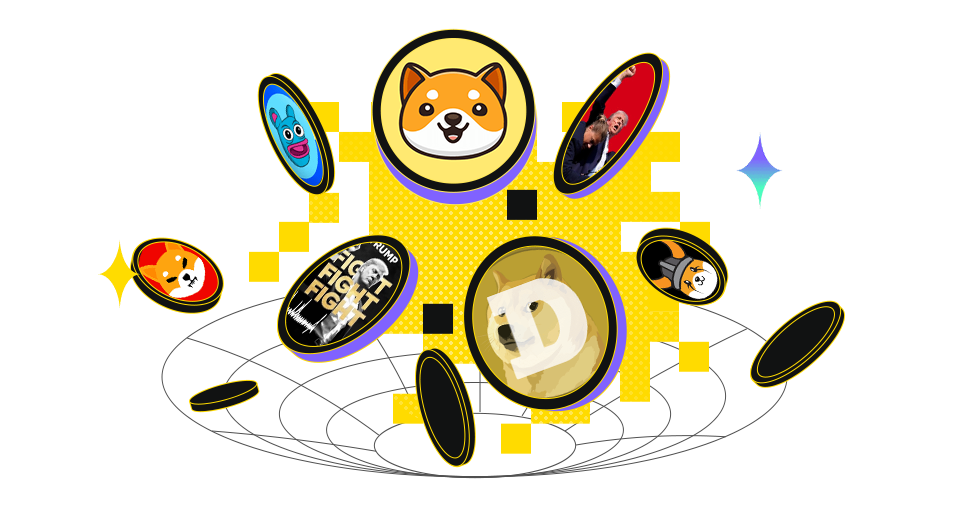
Cryptocurrency markets have seen a surge in meme coins—digital assets often created as jokes or internet memes. While some gain legitimate traction, many are vehicles for pump-and-dump schemes, leaving investors with heavy losses. Recognizing these scams early is crucial to protecting your investments. Here’s a detailed guide on identifying meme coin pump-and-dump schemes.
### Understanding Pump-and-Dump Schemes
A pump-and-dump scheme involves artificially inflating the price of a cryptocurrency through false hype, followed by a mass sell-off by the orchestrators. This leaves late investors holding worthless assets. Meme coins, due to their low entry barriers and viral nature, are particularly vulnerable to such manipulation.
### Key Red Flags to Watch For
1. **Aggressive and Overhyped Marketing**
- Scammers often use social media platforms like Twitter, Telegram, and Reddit to spread exaggerated claims.
- Look for phrases like "next 100x coin" or "limited-time opportunity," which create artificial urgency.
- Paid promotions from influencers or bots amplifying the hype are common tactics.
2. **Lack of Transparency**
- Legitimate projects provide clear details about their team, goals, and technology.
- If a meme coin lacks a whitepaper, roadmap, or verifiable team members, it’s likely a scam.
- Anonymous developers or fake LinkedIn profiles are major warning signs.
3. **Unrealistic Promises**
- Claims of guaranteed high returns with no risk are almost always fraudulent.
- Be skeptical of projects promising exponential growth without a clear use case or utility.
4. **Artificial Volume and Price Spikes**
- Sudden, unexplained price surges with no real adoption or news may indicate market manipulation.
- Check trading volume—low liquidity combined with rapid price movements suggests a pump-and-dump.
5. **Fake Partnerships and Endorsements**
- Scammers often fabricate collaborations with well-known companies or celebrities.
- Verify any claimed partnerships by checking official sources rather than relying on social media posts.
6. **Rug Pulls and Liquidity Drain**
- In a rug pull, developers abandon the project after collecting investor funds, often by draining liquidity pools.
- Check if the liquidity is locked and if the team has a history of rug pulls (use tools like RugDoc or DeFiLlama).
7. **AI-Generated Hype and Deepfakes**
- Scammers increasingly use AI to create fake endorsements, news articles, or even deepfake videos.
- Cross-check information from multiple trusted sources before believing any claims.
### Steps to Verify a Meme Coin
1. **Research the Team**
- Look up the developers on LinkedIn, GitHub, or other professional networks.
- If they’re anonymous or unverifiable, proceed with extreme caution.
2. **Analyze the Tokenomics**
- Check the distribution of tokens—if a small group holds a large supply, they can manipulate prices easily.
- Look for vesting schedules that prevent early dumping by insiders.
3. **Review Community Sentiment**
- Join the project’s Telegram or Discord and observe discussions.
- If the community is overly aggressive or dismissive of critical questions, it could be a red flag.
4. **Check Audit Reports**
- Reputable projects undergo smart contract audits by firms like CertiK or PeckShield.
- Avoid coins without audits, as they may contain malicious code.
5. **Monitor Trading Patterns**
- Use platforms like CoinGecko or CoinMarketCap to track unusual trading activity.
- Sudden spikes in volume or price without news could indicate manipulation.
### Real-World Examples
- **Froggy Coin (2024)**: Marketed as a fun meme token, it attracted investors with promises of high returns. Once enough capital was raised, the developers drained the liquidity pool, crashing the token’s value to zero.
- **Squid Game Token (2021)**: A scam coin inspired by the Netflix show, which collapsed after developers executed a rug pull, netting millions from unsuspecting investors.
### Protecting Yourself
- Never invest more than you can afford to lose in speculative assets like meme coins.
- Diversify your portfolio to mitigate risks.
- Use stop-loss orders to limit potential losses if a coin suddenly crashes.
- Stay updated on common scam tactics by following reputable crypto news sources.
### Conclusion
Meme coin pump-and-dump schemes thrive on hype, misinformation, and investor FOMO (fear of missing out). By recognizing red flags like aggressive marketing, lack of transparency, and artificial price movements, investors can avoid falling victim. Always conduct thorough research, verify claims independently, and prioritize projects with genuine utility and accountability. In the volatile world of cryptocurrencies, caution and due diligence are your best defenses against scams.
Cryptocurrency markets have seen a surge in meme coins—digital assets often created as jokes or internet memes. While some gain legitimate traction, many are vehicles for pump-and-dump schemes, leaving investors with heavy losses. Recognizing these scams early is crucial to protecting your investments. Here’s a detailed guide on identifying meme coin pump-and-dump schemes.
### Understanding Pump-and-Dump Schemes
A pump-and-dump scheme involves artificially inflating the price of a cryptocurrency through false hype, followed by a mass sell-off by the orchestrators. This leaves late investors holding worthless assets. Meme coins, due to their low entry barriers and viral nature, are particularly vulnerable to such manipulation.
### Key Red Flags to Watch For
1. **Aggressive and Overhyped Marketing**
- Scammers often use social media platforms like Twitter, Telegram, and Reddit to spread exaggerated claims.
- Look for phrases like "next 100x coin" or "limited-time opportunity," which create artificial urgency.
- Paid promotions from influencers or bots amplifying the hype are common tactics.
2. **Lack of Transparency**
- Legitimate projects provide clear details about their team, goals, and technology.
- If a meme coin lacks a whitepaper, roadmap, or verifiable team members, it’s likely a scam.
- Anonymous developers or fake LinkedIn profiles are major warning signs.
3. **Unrealistic Promises**
- Claims of guaranteed high returns with no risk are almost always fraudulent.
- Be skeptical of projects promising exponential growth without a clear use case or utility.
4. **Artificial Volume and Price Spikes**
- Sudden, unexplained price surges with no real adoption or news may indicate market manipulation.
- Check trading volume—low liquidity combined with rapid price movements suggests a pump-and-dump.
5. **Fake Partnerships and Endorsements**
- Scammers often fabricate collaborations with well-known companies or celebrities.
- Verify any claimed partnerships by checking official sources rather than relying on social media posts.
6. **Rug Pulls and Liquidity Drain**
- In a rug pull, developers abandon the project after collecting investor funds, often by draining liquidity pools.
- Check if the liquidity is locked and if the team has a history of rug pulls (use tools like RugDoc or DeFiLlama).
7. **AI-Generated Hype and Deepfakes**
- Scammers increasingly use AI to create fake endorsements, news articles, or even deepfake videos.
- Cross-check information from multiple trusted sources before believing any claims.
### Steps to Verify a Meme Coin
1. **Research the Team**
- Look up the developers on LinkedIn, GitHub, or other professional networks.
- If they’re anonymous or unverifiable, proceed with extreme caution.
2. **Analyze the Tokenomics**
- Check the distribution of tokens—if a small group holds a large supply, they can manipulate prices easily.
- Look for vesting schedules that prevent early dumping by insiders.
3. **Review Community Sentiment**
- Join the project’s Telegram or Discord and observe discussions.
- If the community is overly aggressive or dismissive of critical questions, it could be a red flag.
4. **Check Audit Reports**
- Reputable projects undergo smart contract audits by firms like CertiK or PeckShield.
- Avoid coins without audits, as they may contain malicious code.
5. **Monitor Trading Patterns**
- Use platforms like CoinGecko or CoinMarketCap to track unusual trading activity.
- Sudden spikes in volume or price without news could indicate manipulation.
### Real-World Examples
- **Froggy Coin (2024)**: Marketed as a fun meme token, it attracted investors with promises of high returns. Once enough capital was raised, the developers drained the liquidity pool, crashing the token’s value to zero.
- **Squid Game Token (2021)**: A scam coin inspired by the Netflix show, which collapsed after developers executed a rug pull, netting millions from unsuspecting investors.
### Protecting Yourself
- Never invest more than you can afford to lose in speculative assets like meme coins.
- Diversify your portfolio to mitigate risks.
- Use stop-loss orders to limit potential losses if a coin suddenly crashes.
- Stay updated on common scam tactics by following reputable crypto news sources.
### Conclusion
Meme coin pump-and-dump schemes thrive on hype, misinformation, and investor FOMO (fear of missing out). By recognizing red flags like aggressive marketing, lack of transparency, and artificial price movements, investors can avoid falling victim. Always conduct thorough research, verify claims independently, and prioritize projects with genuine utility and accountability. In the volatile world of cryptocurrencies, caution and due diligence are your best defenses against scams.
Últimos artículos
¿Qué es Pixel Coin (PIXEL) y cómo funciona?
2026-04-08 00:00:00
¿Cuál es el papel del arte en píxeles de monedas en los NFT?
2026-04-08 00:00:00
¿Qué son los Pixel Tokens en el arte colaborativo criptográfico?
2026-04-08 00:00:00
¿Cómo difieren los métodos de minería de Pixel coin?
2026-04-08 00:00:00
¿Cómo funciona PIXEL en el ecosistema Pixels Web3?
2026-04-08 00:00:00
¿Cómo integra Pumpcade las monedas de predicción y meme en Solana?
2026-04-08 00:00:00
¿Cuál es el papel de Pumpcade en el ecosistema de monedas meme de Solana?
2026-04-08 00:00:00
¿Qué es un mercado descentralizado para poder de cómputo?
2026-04-08 00:00:00
¿Cómo permite Janction la computación descentralizada escalable?
2026-04-08 00:00:00
¿Cómo democratiza Janction el acceso a la potencia de computación?
2026-04-08 00:00:00
Eventos calientes

Oferta por tiempo limitado para nuevos usuarios
Beneficio exclusivo para nuevos usuarios, hasta 50,000USDT
Temas candentes
Cripto

165 artículos
Technical Analysis

0 artículos
DeFi

0 artículos
Clasificaciones de criptomonedas
En alza
Nuevo en Spot
Índice de miedo y codicia
Recordatorio: los datos son solo para referencia
43
Neutral
Temas relacionados
Principiantes deben saberAnálisis técnicoAnálisis técnicoAnálisis técnicoCifras CriptoCriptoHiperlíquidoHyperliquidEthereum
Expandir
